How Much Do People Spend on Christmas Around the World
Where are people spending their money this year? Total global holiday spending is expected to reach an astounding $1.3 trillion, with the United States, China, and Japan at the forefront. The holiday season often leads to overspending, fueled by the festive atmosphere and aggressive marketing. While the holiday season is a time of joy and togetherness, it can also result in significant expenses. Read on to learn more about this trend. We hope this post on How Much Do People Spend on Christmas Around the World inspires you.

Image from Depositphotos
How Much Do People Spend on Christmas Around the World
Global Trends
- Shift to online shopping: The pandemic has accelerated the shift to online shopping, with e-commerce platforms like Amazon and Alibaba playing a dominant role.
- Focus on experiences: Consumers are increasingly shifting their focus from material gifts to experiences and personalized items. This is driven by a desire for meaningful connections and lasting memories.
- Rise of alternative payment methods: Cash is no longer king, with digital wallets, mobile payments, and “buy now, pay later” options gaining traction.
- E-commerce is booming everywhere: The internet has revolutionized holiday shopping, with online sales expected to account for a significant portion of spending in all regions. Mobile shopping is also on the rise, with consumers increasingly using their smartphones and tablets to make purchases.
- Brick-and-mortar stores are still relevant: Despite the e-commerce boom, physical stores remain important for many shoppers. The festive atmosphere and the opportunity to touch and try products before buying are still valuable draws.
- Mobile dominance: Mobile devices are becoming the preferred shopping platform, with over 50% of holiday purchases now made on smartphones or tablets.

Image from Depositphotos
How Much Do People Spend on Christmas Around the World
Regional Variations
- United States: The undisputed king of holiday spending, Americans are expected to shell out an average of $1,229 per person this year, with total spending reaching a staggering $1.3 trillion. Electronics, toys, and apparel top the shopping lists.
- China: Chinese consumers are rapidly catching up, with an average holiday spend of $806 per person. Singles' Day (November 11th) is the world's biggest online shopping day. The world's second-largest economy is catching up fast, with holiday spending expected to hit $848 billion in 2023. Online shopping giants like Alibaba and JD.com are major drivers of this growth.
- Japan: Despite a stagnant economy, Japanese consumers are known for their love of luxury goods. The Japanese tradition of Oseibo gifts for colleagues and superiors leads to high holiday spending, averaging $532 per person, with a focus on jewelry, cosmetics, and gourmet food.
- Europe: Holiday spending in Europe varies greatly by country. Wealthier nations like Germany and the UK see higher averages as they are the biggest spenders, while those in Southern Europe tend to spend less. Gift-giving traditions also differ, with Germans favoring practical items and Italians focusing on food and experiences. Christmas markets are popular shopping destinations.
- Latin America: Holiday spending in Latin America is on the rise, driven by a growing middle class. Brazilians are the biggest spenders in the region, with an average of $430 per person. Gift cards and phones are popular purchases.
- Africa and the Middle East: Holiday spending in these regions is lower than in developed nations, but it's growing rapidly. In Kenya, for example, Christmas trees are becoming increasingly popular, driving up demand for decorations and gifts.
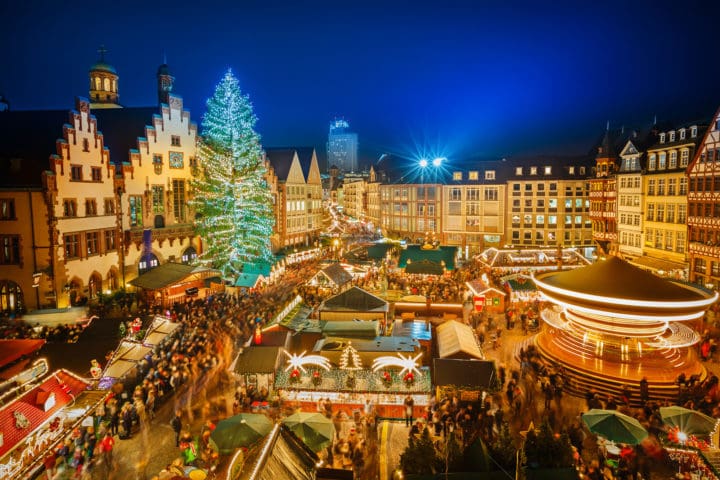
Image from Depositphotos
How Much Do People Spend on Christmas Around the World
Interesting Facts
- Popular Gifts: The most popular holiday gifts globally include electronics, clothing, and toys.
- Gift Cards: Gift cards are a popular choice in many countries, offering convenience and flexibility.
- Eco-Friendly: Sustainability is becoming a growing concern, with consumers seeking eco-friendly gifts and packaging.
- Credit card debt: Holiday spending can lead to debt, with around 10% of Americans using credit cards for their holiday purchases and carrying over balances into the new year. The holiday season can be a time of financial stress, so it's important to budget wisely and avoid overspending.
- Sustainability: Consumers are becoming more conscious of the environmental impact of their holiday shopping, with a growing demand for sustainable and ethical products.
- Giving back: Many people donate to charities or volunteer during the holiday season, making it a time for giving back to the community.
Be Careful of Overspending
During the holiday season, we often experience a blend of emotions, including happiness, nostalgia, and generosity. These feelings trigger the release of dopamine, a neurotransmitter in the brain that makes us feel good when we spend money. Marketers capitalize on this by creating heartwarming advertisements that link gift-giving to these positive emotions.
However, trying to keep up with the holiday spending of others—whether it's neighbors or social media influencers—can lead to excessive spending. When we observe others showcasing their holiday shopping and experiences, it can create pressure to match or even outdo them. This “fear of missing out” (FOMO) may drive us to purchase items we don’t genuinely need or can’t afford.
How Much Do People Spend on Christmas Around the World
Limited-time offers, countdown timers, and “while supplies last” deals can also generate a sense of urgency that clouds our judgment. As a result, we might make impulsive purchases just to avoid missing out on perceived bargains, even if it means exceeding our budgets.
To avoid this trap, it’s essential to determine a realistic spending limit and create a list of gifts that fit within that budget. Prioritize your loved ones and focus on thoughtful, meaningful gifts that won't break the bank. Moreover, consider creating lasting memories with your loved ones through shared experiences rather than material gifts—options could include a cozy movie night or a weekend getaway.
Holiday Spending vs Overspending
Holiday spending goes beyond just economics; it is a cultural phenomenon that reflects our traditions, values, and social pressures. How people choose to spend their money during the holidays reveals much about their priorities and aspirations. Although the holiday shopping season significantly boosts the global economy by creating jobs and generating revenue for businesses, it can also lead to debt, environmental concerns, and ethical issues related to consumerism.
Remember, the holidays are about celebrating with loved ones, not about outdoing each other with extravagant spending. Have open discussions with your family and friends about your budget and expectations for gift-giving. You might explain that you would prefer experiences or smaller gifts, or even suggest a Secret Santa exchange to limit spending.
How Much Do People Spend on Christmas Around the World
By understanding the psychology behind holiday spending and making thoughtful choices, you can enjoy the season without overspending. Consider homemade gifts, shared experiences, or charitable donations. These options can be more personal and meaningful while also helping you save money. We hope this message about Holiday Spending Across the World inspires you.
You May Also Like





Pingback: Why Experiences Are Better than Things Divine Lifestyle