Recipes Using Fresh Herbs
Flavorful Dishes Enhanced by Fresh Herbs Do you cook with fresh herbs? There are many reasons why fresh herbs are generally preferable to dried herbs when cooking. The aroma…the flavor…you really can taste the...
In a world increasingly focused on healthier living and mindful consumption, we are constantly searching for better choices. One remarkable alternative that promises both well-being and sustainability is stevia, a natural sweetener derived from the Stevia rebaudiana plant. Stevia has become a popular substitute for sugar due to its zero-calorie content and minimal impact on blood sugar levels. This sweetener has caught the attention of those looking for a healthier way to satisfy their sweet cravings. In this article, we will explore the essence of stevia, its purpose, its sustainable production, and important factors to consider when choosing the right stevia products. We hope you find this Is Stevia Good for You post valuable.

Photo by Pavel Danilyuk
Stevia is a natural sweetener derived from the leaves of the Stevia rebaudiana plant, which is native to South America. The sweetness of stevia comes from compounds known as steviol glycosides, which are extracted from the leaves and processed for commercial use. These compounds are much sweeter than sugar but contain no calories and do not raise blood sugar levels. This makes stevia an attractive option for individuals with diabetes and for those looking to reduce their calorie intake.
Stevia production stands out as a sustainable and eco-friendly process. Unlike the resource-intensive production of sugar cane or corn syrup, stevia cultivation requires significantly less water, land, and energy. The stevia plant also has a higher yield, which means it can produce more sweetness per acre than traditional sugar crops, reducing its environmental footprint. Stevia is a perennial plant, meaning it can be harvested year after year without replanting. This characteristic reduces soil erosion and promotes soil health, making stevia cultivation a more environmentally friendly option.
Opt for stevia products that contain a high percentage of steviol glycosides. The purity of the stevia extract ensures that you get the most sweetness without unnecessary fillers or additives. Look for products with a steviol glycoside content of at least 95% for the best results.
Check the product labels for “natural” or “clean” to ensure that the stevia product does not contain artificial sweeteners or synthetic additives. Some manufacturers might mix stevia ingredients with other sweeteners to reduce costs or improve taste. Be cautious of products labeled “stevia blend” or “stevia-based” as they may contain other less desirable ingredients.
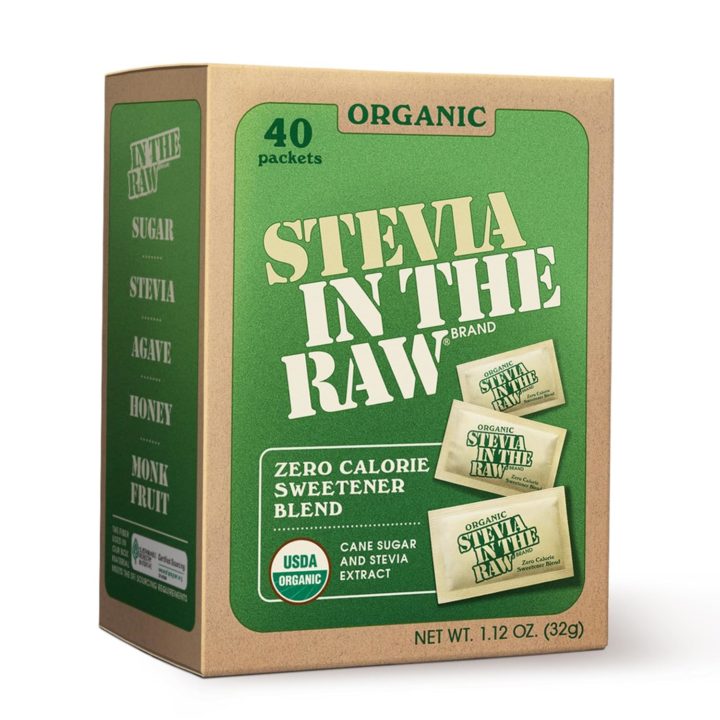
Some manufacturers may add dextrose, maltodextrin, or erythritol to improve the texture or dilute the sweetness, negatively impacting blood sugar levels and overall health. Read the ingredient list carefully to avoid stevia products that contain unnecessary fillers, preservatives, or harmful chemicals.
Being informed about the stevia products you buy is essential for your shopping experience and overall well-being. Making the right choices can help you avoid potential
health risks and ensure you get the maximum benefits from stevia as a healthy and sustainable sugar substitute. Are Stevia Products a Healthy and Sustainable Alternative?
Choosing pure stevia extracts without added sugars or artificial ingredients can help maintain stable blood sugar levels and contribute to weight management. Additionally, knowing the exact content of steviol glycosides in the product can allow you to more accurately control the sweetness level in your recipes.
By being mindful of hidden ingredients and opting for natural and clean stevia products, you can reduce exposure to potentially harmful chemicals and artificial additives. This, in turn, can positively impact your long-term health and well-being.
When shopping for stevia products, it's vital to understand what stevia is and how it is made. Consider the sustainable nature of stevia production and its lower environmental impact compared to traditional sugar crops. Look for high-purity steviol glycosides, avoid products with unnecessary additives, and opt for natural or clean labels.
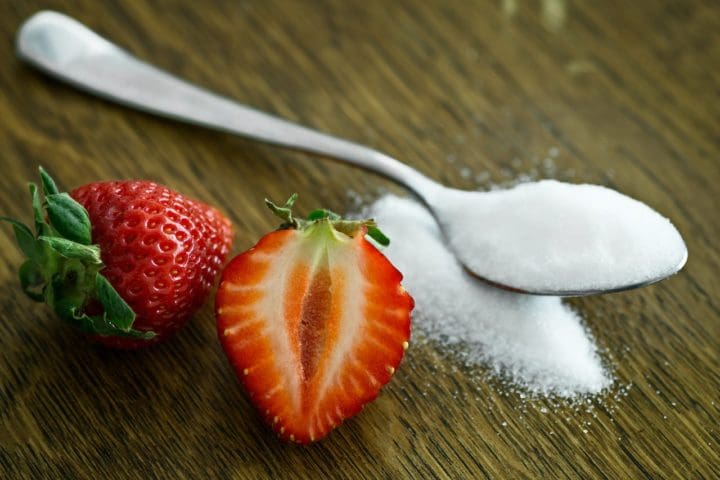
Knowledge of stevia products will enhance your shopping experience and safeguard your health by making informed choices about the sweetener you use. With the right stevia product, you can savor the sweetness guilt-free and enjoy the benefits of this natural sugar substitute. Are Stevia Products a Healthy and Sustainable Alternative?
Flavorful Dishes Enhanced by Fresh Herbs Do you cook with fresh herbs? There are many reasons why fresh herbs are generally preferable to dried herbs when cooking. The aroma…the flavor…you really can taste the...

This post has been sponsored by Pepto-Bismol. All opinions are my own. #PinkRelief 7 Essential Things you need for Perfect Fall Picnic Planning a picnic during the beautiful fall weather in Atlanta brings absolute delight....

This Smarter Snacking with Dino Buddies #YummyDinoBuddies #BackToRoutine #SnackHack post sponsored by Mirum. Opinions are 100% my own. Smarter Snacking with Dino Buddies #YummyDinoBuddies #BackToRoutine #SnackHack Now that school is in full swing, our house...

Have you heard of Jingit? Jingit is an app that is so easy to use and helps you earn cash instantly online, in-store, and on the go with participating brands. You are already...