Clutter and Depression
posted by Stacie on June 4, 2025
// Comments Off on Clutter and Depression
There’s no denying that a cluttered home is not at all comfortable on the eyes, although not everyone is truly aware of just how negatively clutter can affect your life. Your home isn’t the only thing affected by a build-up of clutter, as the accumulation of things has a tangible influence on your mental and physical well-being, according to factual research. In addition to the following negative impacts of clutter, neglecting regular home clearouts and cleaning will also likely welcome pests into your home. Therefore, if these negative impacts sway your mind to stress the importance of a cleanout, it would be wise to consult a service in your area to rid your home of pests and take measures to prevent infestations. We hope this Clutter and Depression post inspires you.
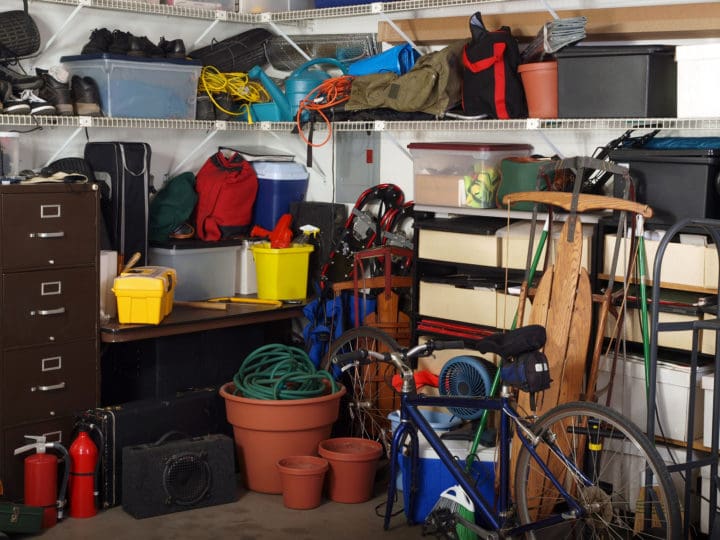
Image from Depositphotos
Clutter and Depression
Increased Stress Levels
According to several studies conducted over the years, individuals with cluttered homes that consist of unfinished projects or any hoard of items are more likely to experience extreme stress. The symptoms of stress often include fatigue, depression, and sleeplessness. Therefore, if you are battling to overcome daily challenges as a result of stress, it may be time to consider the benefits of a spring clean.
Most studies that confirm clutter enhances stress levels compared those with cluttered homes to those who described their homes as restorative and peaceful. When considering that concerningly high stress levels are also often linked with a lower mortality rate, reducing stress should be reason enough to finally throw out your growing clutter.
Risks Of Respiratory Issues
Because clutter allows the gradual build-up of dust particles, it is understandable how clutter can affect your respiratory system. Neglecting home cleanouts will eventually lead to amplified breathing problems, and the more things pile up over time, the more your physical health will deteriorate. There is genuinely no way to clean a cluttered pile of things, which is why sorting and organizing your home is crucial for your health.
Safety Hazard
Apart from breathing problems and trouble sleeping, leaving clutter in your home also raises issues in terms of safety. This is because things lying around your house can obstruct doorways and windows, creating a serious concern. If you are in a hurry, you may trip and become injured. In more challenging situations, should a fire break out in your home, you may have difficulty escaping.
Clutter and Depression
Degrading Your Self-Worth
People with clean and organized homes often experience a sense of pride and self-worth after completing their cleaning tasks. In contrast, those living in cluttered environments, even if they are unaware, can suffer negative effects. Clutter can harm your physical health, mental well-being, and even your emotional state. Being surrounded by messy and unnecessary items can subconsciously undermine your self-worth, ultimately impacting every aspect of your quality of life.
Not Suitable For Children
Even though young children may not consciously worry about the state of their environment and whether or not it is cluttered, the impacts of clutter are not suitable for children of any age. Whether it comes to young toddlers, curiosity can lead to injuries rather than exciting discoveries. On the other hand, older children may feel embarrassed and powerless over the state of their home, which is why it is always best to give your child a clutter-free environment, regardless of their age.
Tips To Clear Out Your Home
There’s no doubt you have already been considering how clutter has negatively influenced your life. However, things can get a bit tricky when it comes to clearing out a collection of things when it comes to how to get rid of clutter now. Many individuals feel some sort of connection to certain items while feeling that all the items cost money, which makes it challenging to declutter. However, by starting in one room and creating a few category boxes, you will be able to determine which items you should keep, which you should throw away, and which you should store.
Clutter and Depression
Even though decluttering can sometimes feel like an overwhelming challenge, the effort often leaves individuals feeling significantly lighter and stress-free. Clutter is also the fastest way to degrade a home’s interior design, which means you may finally be able to enjoy your home once you have tackled the task of removing excess items that you no longer need. If you feel notably unable to throw any items out, it would be wise to consider donating items, as you may feel your unneeded things will still serve a purpose.
Comments Off on Clutter and Depression