2018 Kia Stinger
2018 Kia Stinger Review I traveled a few months ago to the SEMA show in Las Vegas with one of my favorite companies, Kia. I was there to drift in their new Stinger. I...
Electric cars are no longer just a futuristic trend. They are becoming a practical option for everyday drivers around the world. With rising fuel prices, improved battery technology, expanding charging networks, and growing environmental awareness, more people are seriously considering switching to electric vehicles (EVs).
But is it really worth getting an electric car in the new year?
The answer depends on your budget, driving habits, access to charging, and long-term goals. For many drivers, an electric car can save money and provide a smoother driving experience. For others, traditional petrol, diesel, or hybrid vehicles may still make more sense.
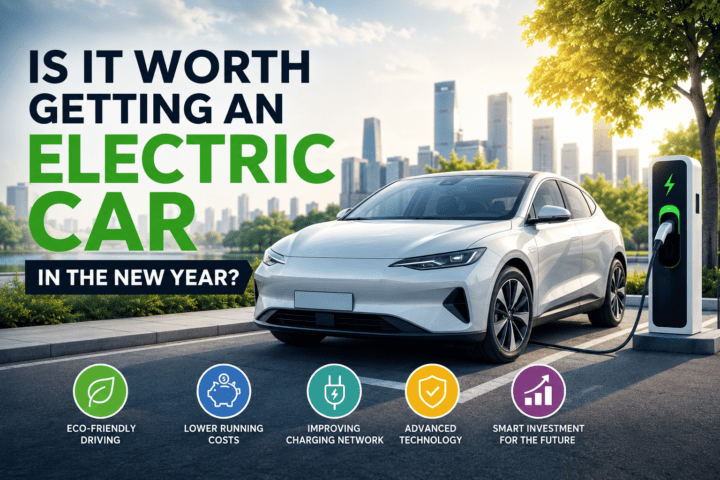
In this article, we’ll explore the pros, cons, costs, technology, environmental impact, and overall value of owning an electric car to help you decide whether making the switch is the right choice this year.
Electric vehicles have grown rapidly over the last few years. Almost every major car manufacturer now offers electric models, including compact cars, SUVs, luxury vehicles, and even pickup trucks.
Governments are also encouraging EV adoption by offering tax benefits, subsidies, and stricter emission regulations. As a result, the EV market is becoming more competitive, giving buyers more choices than ever before.
What once seemed like a niche technology is now becoming mainstream.
One of the biggest advantages of electric cars is their lower operating cost.
Electricity is generally cheaper than petrol or diesel, especially for drivers who charge their vehicles at home. Over time, this can lead to significant savings on fuel expenses.
Electric cars also have fewer moving parts than traditional vehicles. This means:
For drivers who travel regularly or commute daily, these savings can add up quickly over several years.
While electric cars are cheaper to run, they usually cost more to buy initially.
Battery technology is still expensive, which increases the purchase price of EVs compared to similar petrol vehicles. Although prices are slowly becoming more affordable, many buyers still find the upfront cost challenging.
However, there are some ways to offset the higher purchase price:
In many cases, EV owners recover part of the extra cost through long-term savings.
Charging infrastructure has improved significantly in recent years.
Public charging stations are becoming more common in cities, shopping malls, office complexes, and highways. Fast chargers can now recharge many EVs in under an hour.
Still, charging convenience depends heavily on where you live.
People who own homes with private parking usually have the easiest experience because they can charge overnight. Apartment residents may face more difficulties if charging facilities are limited.
Before buying an electric car, it’s important to consider:
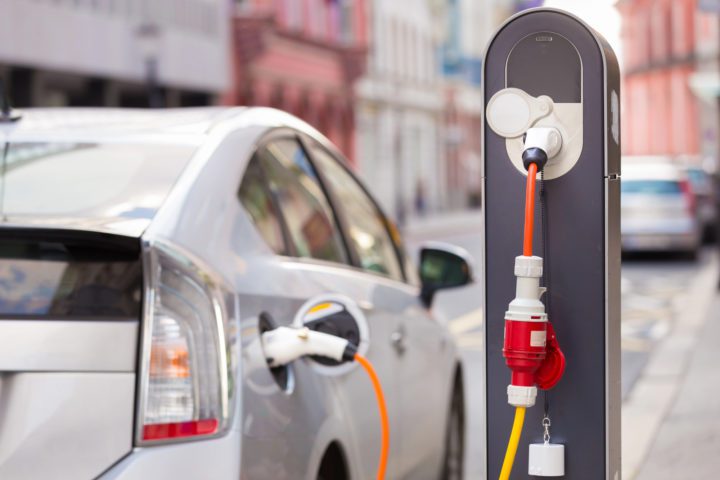
Image from Depositphotos
One of the biggest concerns about electric cars used to be range anxiety — the fear of running out of battery before reaching a charger.
Modern EVs have improved dramatically in this area. Many new electric cars can travel between 300 and 500 kilometers on a single charge, which is more than enough for daily commuting and regular driving.
For most drivers, daily travel distances are much shorter than an EV’s available range.
Fast charging technology has also improved, making road trips more practical than before.
Electric cars produce zero tailpipe emissions, which helps reduce air pollution and greenhouse gas emissions.
This is especially important in crowded cities where pollution levels can become dangerous.
EVs also help reduce dependence on fossil fuels. As renewable energy sources like solar and wind become more common, electric vehicles will become even cleaner over time.
However, EVs are not completely pollution-free. Battery production requires mining materials such as lithium, cobalt, and nickel, which can have environmental impacts.
Even so, most studies show that electric vehicles generally produce fewer emissions over their entire lifetime compared to petrol cars.
Many people are surprised by how enjoyable electric cars are to drive.
EVs provide:
Because electric motors deliver power instantly, acceleration often feels faster and smoother than traditional cars.
The quiet driving experience is another feature many owners appreciate, especially during city driving and traffic.
Battery technology has advanced rapidly over the last decade.
Modern EV batteries now:
Most manufacturers also offer long battery warranties, giving buyers more confidence.
Researchers are currently working on solid-state batteries, which could improve charging speed, safety, and efficiency even further in the future.
While future battery improvements are exciting, current EV technology is already practical for most everyday driving needs.
Traditional cars have complex engines with hundreds of moving parts.
Electric vehicles are mechanically simpler. They don’t require:
This often leads to fewer maintenance visits and lower repair costs.
However, EV repairs can still be expensive if major battery or electronic components fail outside warranty coverage.
Image from Depositphotos
Although EV technology has improved, long road trips may still require more planning compared to petrol cars.
Drivers may need to:
For people who frequently drive through remote areas with limited charging infrastructure, this can still be inconvenient.
Petrol and diesel vehicles currently remain more flexible for certain long-distance travel situations.
The resale value of electric cars is still evolving.
Some EVs hold their value well, while others depreciate faster due to:
As EV adoption continues to grow, the used electric car market is expected to become more stable.
How to Handle a Multi-Vehicle Collision: Legal and Insurance Tips
Electric cars work especially well for people who:
However, EVs may not be ideal yet for drivers who:
For some buyers, hybrid cars may provide a better balance between fuel efficiency and convenience.
The automotive industry is clearly moving toward electrification.
More affordable EVs are entering the market each year. Charging infrastructure continues to expand, battery technology keeps improving, and governments are introducing policies that support cleaner transportation.
Many experts believe electric vehicles will eventually become the standard for personal transportation. Buying an EV now could place drivers ahead of this transition while also helping reduce long-term fuel expenses.
1. Are electric cars cheaper to run than petrol cars? Yes, electric cars are usually cheaper to run because electricity costs less than petrol or diesel, and EVs require less maintenance.
2. How long do electric car batteries last? Most EV batteries last between 8 to 15 years, depending on usage, charging habits, and climate conditions.
3. Can electric cars handle long road trips? Yes, many modern EVs can handle long trips, but drivers may need to plan charging stops in advance.
4. Is charging an electric car difficult? Charging is easy for most owners, especially if they have a home charger. Public charging stations are also becoming more common.
5. Are electric cars environmentally friendly? Electric cars produce zero tailpipe emissions and generally have a lower environmental impact than petrol vehicles over their lifetime.
6. Do electric cars need less maintenance? Yes, EVs typically require less maintenance because they have fewer moving parts and no engine oil.
7. Are electric cars safe? Yes, electric cars must meet strict safety standards and often perform very well in crash tests.
8. Should I buy an EV now or wait? If an electric car fits your current driving needs and charging situation, buying now can already provide many benefits. Technology will continue improving, but current EVs are already highly practical for many drivers.
So, is it worth getting an electric car in the new year? For many people, the answer is yes.
Electric cars offer lower running costs, reduced maintenance, quieter driving, and environmental benefits. Modern EVs also provide better range and charging convenience than ever before.
However, they are not perfect for everyone yet. Higher upfront costs, charging limitations, and long-distance travel concerns still make traditional vehicles more practical for some drivers.
The best decision depends on your lifestyle and driving habits.
If you mainly drive locally, have access to charging, and want to save money over time, an electric car could be an excellent investment in the new year.
2018 Kia Stinger Review I traveled a few months ago to the SEMA show in Las Vegas with one of my favorite companies, Kia. I was there to drift in their new Stinger. I...
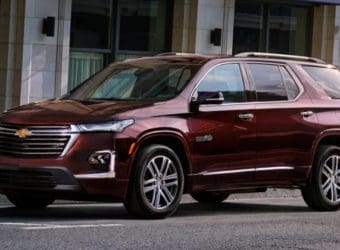
Spacious Comfort for All: 3-Row Seating for the Whole Crew The Chevy Traverse is a large, comfortable SUV with a powerful V6 engine and seating for up to eight people. The Chevy SUV 3...

How To Keep Your Car Looking Good We all want our cars to look good, no matter how long we’ve had them for. When you drive a car that looks good, you feel good....

Overview of the 2011 BMW X3 The BMW X3 was first introduced in 2004 and is the only BMW that has seen cosmetic changes every year since it was introduced. In 2011 the X3...