Valentine’s Day Treats
Valentine’s Day Treats People love Valentine’s Day treats for a multitude of reasons that go beyond just yummy ingredients and pretty decorations. Below is a closer look at the factors that contribute to their...
To the devout Jew, Shabbat holds special significance. It’s generally regarded as a time of rest and reflection. Some individuals, though, especially if they’re not of the faith, might not fully understand what it is and why it matters. Embracing Shabbat: A Period to Rest and Regenerate will give you insight on what it really means.

Image by RDNE Stock project on Pexels
Let’s have a brief crash course in what Shabbat means, who observes it, and why it’s a time in the week many Jews look forward to eagerly.
Before you go grabbing your Shabbat starter kit, you should fully understand what this weekly respite means. Observant Jews likely know all about it, but what if you have a non-Jewish friend who doesn’t comprehend why a family wants to be together for this weekly occasion?
Shabbat, which traditionally starts at sundown on Friday and continues till Saturday night, is seen as the Jewish day of rest. It exists to commemorate God’s creation of the universe, but it’s also about recognizing the Israelites being liberated from slavery in Pharaoh’s Egypt.
There are devout Orthodox Jews and so-called reformed Jews. Both might celebrate this weekly event, or in some instances, it is only the former who chooses to do so.
This is usually simply a matter of what particular path of Judaism the practitioners want to follow. Much like Islam or Christianity, there are dozens of different sects or flavors of Judaism, if not hundreds.
What is generally agreed upon by those of the faith is that Shabbat should be a time of rest. Where the work week is put aside and out of mind, if possible. That is why many observant Jews won’t answer the phone, look at emails, or do anything else work-related for this approximate 24-hour period. The more devout among them might not even be willing to drive a car during this time.
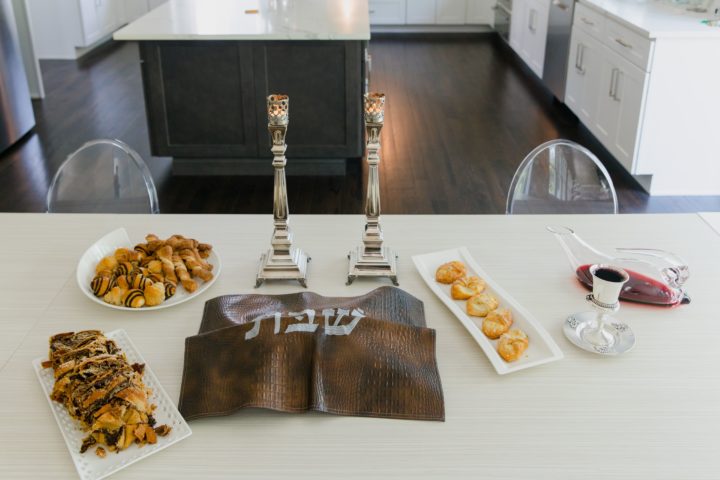
Image by RDNE Stock project on Pexels
What’s interesting about Shabbat is that it can be seen as two things simultaneously. It’s both a weekly holiday and a time for peace and reflection.
These ideas might seem contradictory at first, but in reality, they often meld together quite nicely. Often, you will have a Jewish family who, when Friday night rolls around, likes to sit down to a lavish meal of chicken or fish around the supper table.
They might not be jubilant, as befits a more celebratory holiday. Instead, they may take this time to talk with each other about what’s happening in their lives as they enjoy a substantial, home-cooked meal.
In these instances, the rigors and pressures of the modern world melt away. Cell phones are forgotten, and there are no screens. These times harken back to what it might have been like hundreds of years before, or even thousands.
Shabbat can serve as a weekly reminder to cherish one’s family, and in that sense, it is quite welcome. It’s no wonder that many Jews look forward to it so enthusiastically.

Valentine’s Day Treats People love Valentine’s Day treats for a multitude of reasons that go beyond just yummy ingredients and pretty decorations. Below is a closer look at the factors that contribute to their...

Rice Krispies Frankenstein Treats for Halloween My family and I pretty much love everything that has anything to do with Halloween. The costumes, the candy, the parties, and the treats. We love the treats....

Sam’s Club has done it again. They have made it sooooo easy for you to find the PERFECT holiday gift for anyone. I am having so much fun checking out their Gifter Stress Lifter....

Valentine’s Day Games Playing games is a great stress reliever and it’s a wonderful way to get to know people. There are many reasons why playing games on Valentine’s Day could be a fun...